
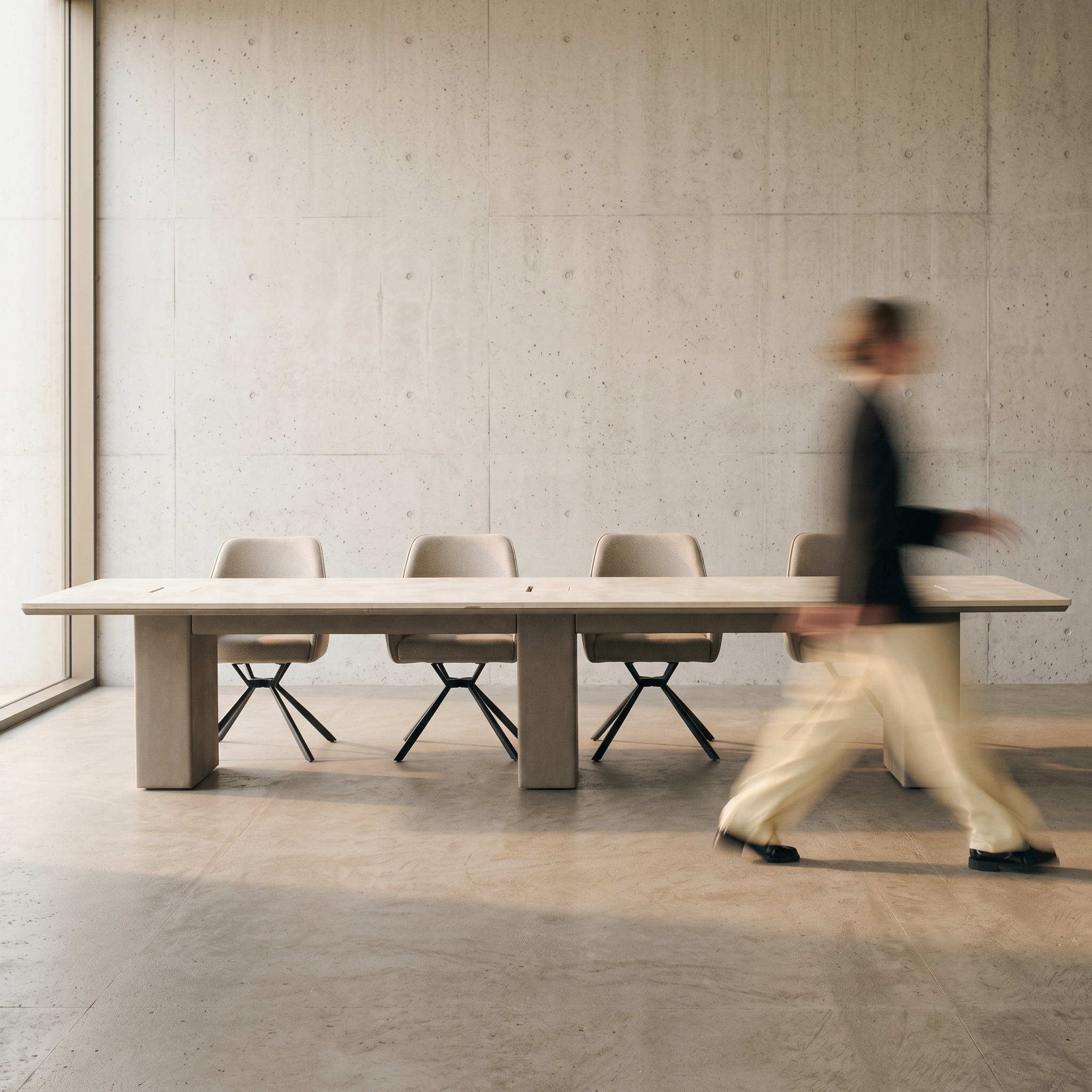
New raw materials used not a single virgin plastic pellet
0
Nothing New. Everything Designed.
NL
Sourced, processed, and produced entirely in the Netherlands
100%
Post-consumer recycled polypropylene in every panel we produce
30 +
Years expected lifespan. Durable enough to outlast the interior it sits in.
Our Suppliers



Three streams of waste. One surface.
Where it comes from
Every panel begins before we touch it, in the supply chains of others. We intercept what would otherwise be destroyed and give it a second life that lasts.Stream 01
Post-consumer PP - Avocado crates
The Netherlands is one of Europe's largest avocado importers. The polypropylene transport crates used to move them across the country are collected, cleaned, and shredded into the base material for every Sustaign panel.
Locally sourced. Regionally processed. No import kilometres.
Stream 02
Surplus colour pigment from industry
Large-scale manufacturers produce pigments in bulk. What remains after production runs would ordinarily be treated as chemical waste. We partner with these companies to intercept those surpluses. Every colour in our palette is a rescued leftover.
No new pigments produced. No chemical waste created.
Stream 03
Combined by hand in our own studio
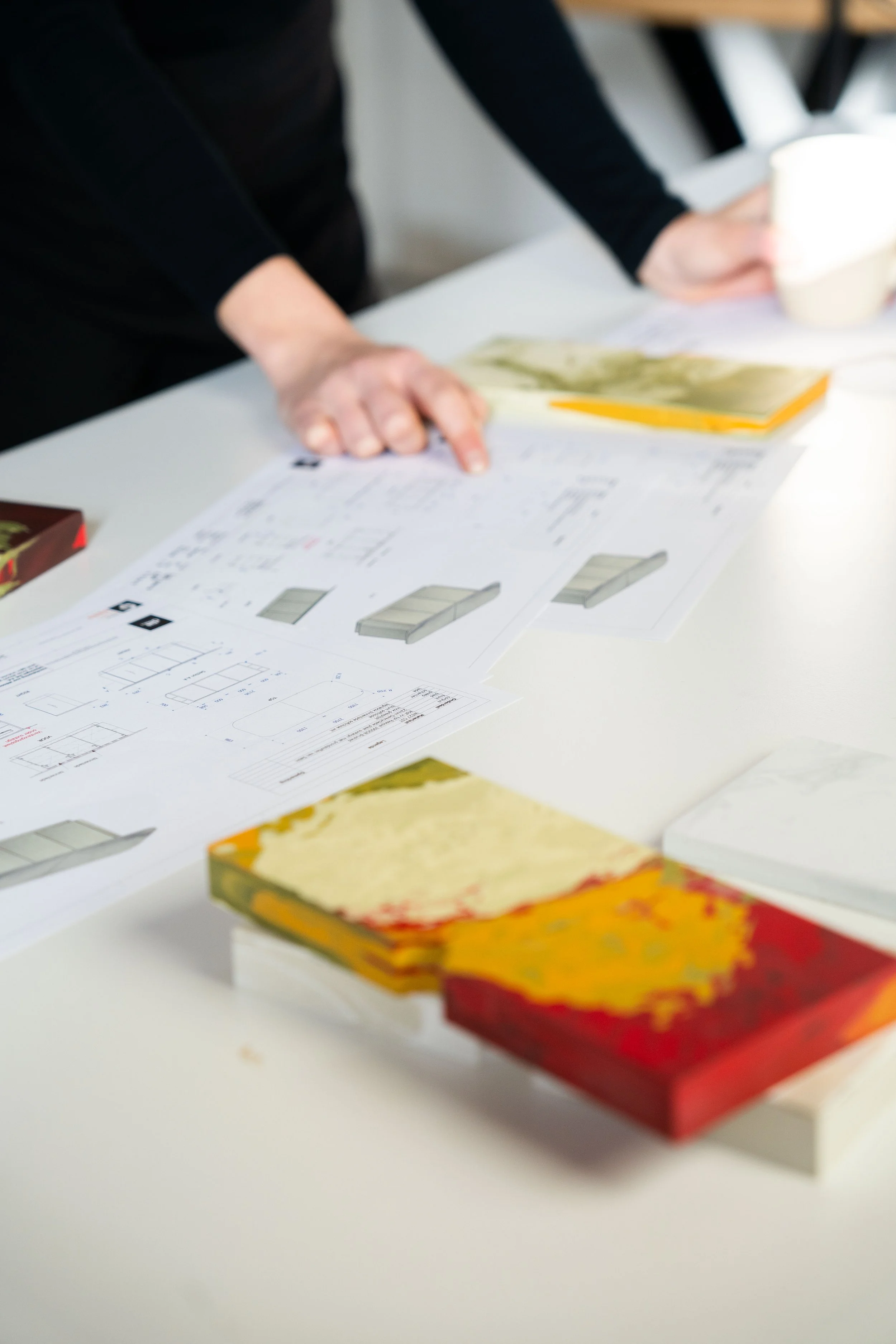
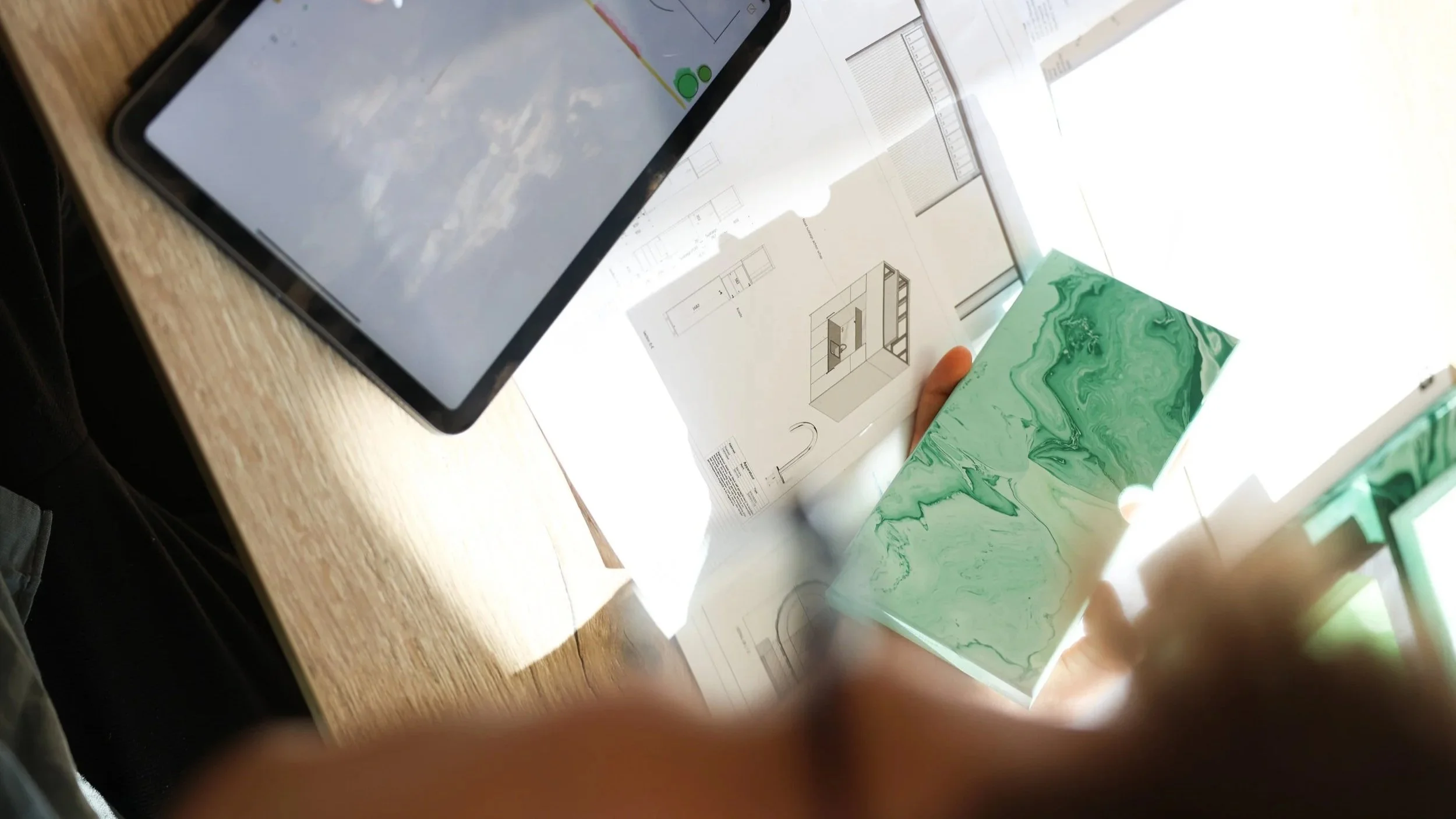
The two streams come together in our studio. We blend, melt, press, and finish every panel by hand. No automated production line. No standardised output. Every piece is unique, a direct result of the materials we started with.
Handcrafted. No two panels are ever identical.
Stream 03
Our Position
Honest about what we are and what we are not.
We don't have ISO certifications. We don't produce lifecycle analyses or publish CO₂ calculations. We are a small design studio, not a large material producer and the infrastructure for that kind of certification isn't built for studios like ours.
What we do have is complete transparency about where everything comes from, how it is made, and why every decision we make points in the same direction: less waste, longer life, and material that you can actually see and touch in a finished interior.
-
The certification landscape is built for large-scale producers. We are a small studio and the infrastructure for that kind of certification does not fit our model. What we do have is full transparency about where every material comes from and how every decision is made.
-
Every raw material we use is a documented leftover from an identified source. No virgin materials. No ambiguity.
-
Material sourced locally, processed in our own studio, finished and delivered from the same address. The supply chain is measured in kilometres, not continents. No outsourced production. No unknown steps in between.
-
Our sustainability argument is the product itself. A surface that proves recycled material does not mean compromised aesthetics. We make things that look extraordinary, last for decades, and happen to be made entirely from what the world already had.
Built to Last
The most sustainable product is the one you never have to replace.
Polypropylene is one of the most durable materials used in interior construction. It does not warp, rot, or corrode. It resists moisture, stains, and chemicals. It cleans with water.
A Sustaign panel installed in a restaurant counter or a retail interior today will still be performing in thirty years. That longevity is the sustainability argument — not just what it's made from, but how long it stays out of the waste stream.
Expected lifespan
30+ years
Moisture resistance
Complete
Stain resistance
High
Chemical resistance
Acids, alcohols, bases & most solvents
End of life
100% recyclable PPWhat our sustainability looks like in practice.
We don't frame our work with carbon numbers or certification logos. We frame it with decisions, every one of which points in the same direction. Here is what that looks like concretely.
-
100% post-consumer recycled polypropylene. No virgin plastic used at any stage.
-
Every colour comes from surplus pigments left over from industrial production runs. Materials that would otherwise be treated as chemical waste. No new pigments manufactured for our panels.
-
Hand-produced in our own studio using rebuilt second-hand industrial machinery. No automated production line. No energy-intensive industrial setup.
-
Sourced, processed, and finished in the Netherlands. Supply chain measured in kilometres, not continents.
-
Every panel is produced on order. No overproduction. Nothing is made without a project behind it, which means nothing is wasted sitting on a shelf.
-
Polypropylene is fully recyclable. When a Sustaign panel eventually reaches the end of its life, the material can re-enter the recycling stream and start again.